Not long ago, ranking on Google was about appearing in a list of blue links and hoping someone clicked through. That world still exists, but it’s no longer the full picture, and for many businesses, it’s no longer where the biggest opportunities are won.
The way people search has shifted. Quietly, quickly, and without much fanfare. Unfortunately, most New Zealand businesses haven’t kept up.
AI is answering questions before anyone reaches your website
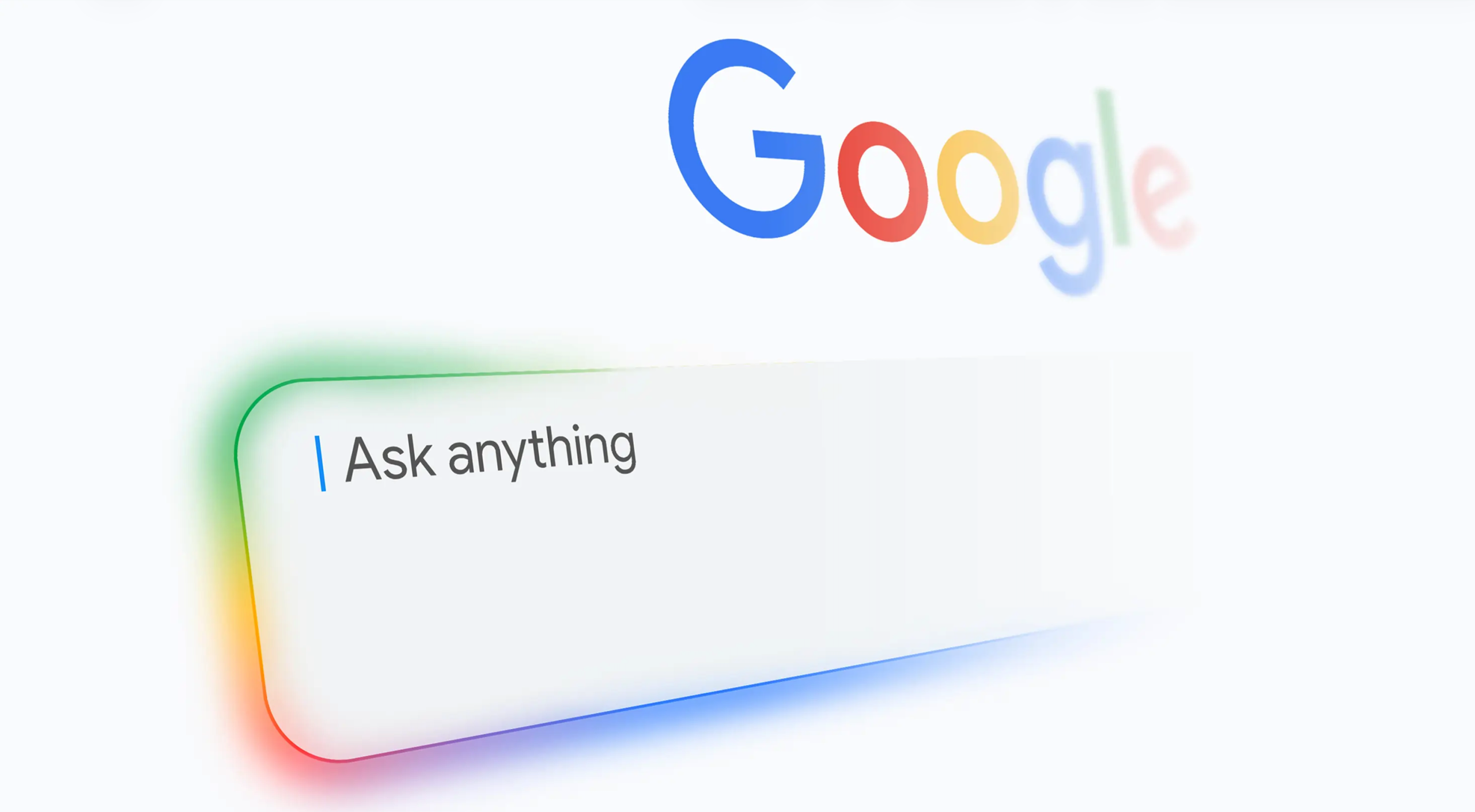
Today, people searching on Google are often shown a direct answer at the top of the page, with AI pulling information together from across the web. Platforms like ChatGPT and Perplexity are also changing search. People now ask full questions like, “What’s the best ride-on mower for a steep lifestyle block?” They want quick, trustworthy answers, not just a list of links.
For businesses, this changes a lot. If your content isn’t helping shape those answers, your business can easily be missed, even if your website technically ranks on “page one” of Google.
Fewer clicks, but it still matters who gets cited
It’s easy to think this is all bad news. Many websites are seeing less traffic. But the businesses referenced in AI answers are building something even more valuable: trust and familiarity, before a customer even visits their website.
Someone researches a product or service through AI, absorbs a recommendation, and by the time they go looking for a supplier, they already have a name in mind. If that name is yours, great. If it’s a competitor’s, you’ve lost a customer you never knew you were competing for.
What actually gets you cited
It comes down to whether your content is genuinely useful or merely present.
AI tools pull from content that clearly answers specific questions, written by someone who actually knows the subject. Generic service pages that describe what you do, without going into any depth? Not much use to anyone, human, or machine. The businesses that get picked up have specific content: real answers to real questions, written plainly, with proper structure, so both readers and crawlers can follow it.
Your wider online reputation matters too. Google Business Profile reviews, local listings, and mentions from trusted websites all help search systems see your business as trustworthy. It’s not flashy, but it builds over time.
The authenticity problem cutting both ways
One thing worth understanding is that many businesses responded to AI by producing more content quickly using AI tools. The result has been a flood of generic, forgettable copy that search algorithms are increasingly good at deprioritising.
For smaller Kiwi businesses, this is actually an opportunity. A blog from someone who truly knows their industry—local, specific, and with real perspective, can outperform polished, but shallow content. It’s not about producing more, it’s about saying something that actually matters.
Google Ads isn’t immune to this either
If you’re running paid search, the shift in how people search is affecting your campaigns too. Longer, more conversational queries are changing which keywords perform, and older campaigns can quietly waste spend on search terms that no longer match how people actually search. It’s worth a look.
A few practical starting points
If you want to improve how you show up in AI search without a full overhaul, start with these:
Your Google Business Profile. Keep it current — accurate hours, recent photos, and a steady stream of reviews. It’s one of the clearest credibility signals available to a local business.
One genuinely useful page per service. Not a paragraph that says you offer the service. A proper explanation of what’s involved, what questions people typically have, and what good looks like. Something a customer would actually want to read.
Your existing content. Go through your top pages and ask honestly: does this actually answer anything? Pages that exist only to satisfy a keyword requirement without serving the reader, are worth updating.
If you’re unsure where your business stands on any of this, we can conduct a quick audit for you — and you’ll get a straight answer, not a sales pitch.
Flick Media is a Waikato-based digital marketing agency offering Website Development, Content Creation, SEO and Google Ads, ensuring our clients’ digital foundations are strong, reliable, and built to perform.